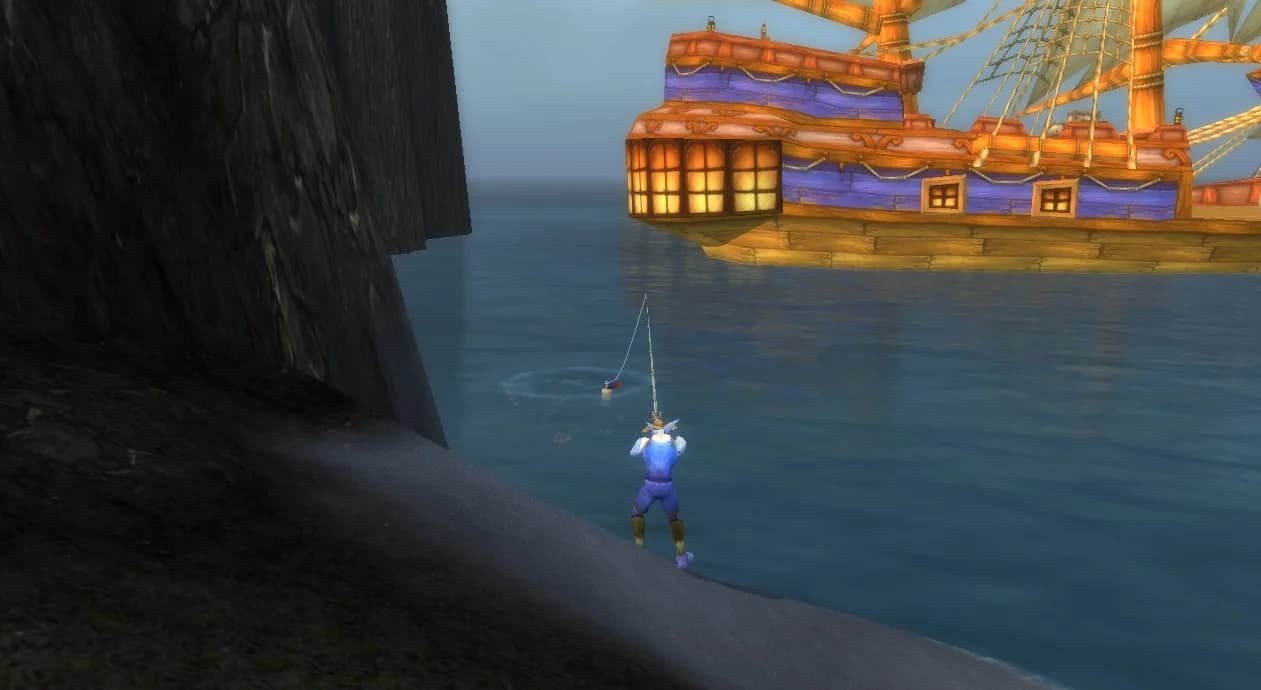
The number one question every aspiring fishing botter asks is simple: will I get banned? It is a fair question, and it deserves an honest answer. The short version is that yes, there is always some risk when automating gameplay in World of Warcraft. But the long version is far more nuanced. Not all bots carry the same risk, and fishing bots sit in a uniquely low-risk category compared to other forms of automation. This guide breaks down exactly how Blizzard detects bots, what has historically triggered ban waves, and what you can do to minimize your risk.
How Does Blizzard Detect Bots?
Blizzard uses multiple layers of detection to identify automated play. Understanding these systems helps you appreciate why some bots get caught quickly while others operate for months without issue.
Warden Anti-Cheat
Warden is Blizzard's built-in anti-cheat system that runs alongside the WoW client. It scans your computer's running processes and memory to look for known cheating software. Warden is highly effective against bots that inject code into WoW's process, modify game memory, or hook into the client's functions.
Here is what Warden can and cannot detect:
| Detection Method | What It Catches | What It Misses |
|---|---|---|
| Process scanning | Known bot executables running on your system | Renamed or unknown executables that are not in Warden's signature database |
| Memory inspection | Code injected into the WoW process or modified game memory | External programs that never touch WoW's memory space |
| DLL injection detection | Libraries loaded into WoW's process for automation | Programs that use standard Windows input APIs from outside the process |
| API hook detection | Hooks placed on WoW's internal functions | Screen reading and pixel-based detection that does not interact with WoW's code |
The critical insight here is that external pixel-based bots do not interact with WoW's memory at all. They read the screen the same way your eyes do and simulate mouse clicks the same way your hand does. Warden has no mechanism to distinguish this from normal human input.
Behavioral Analysis
Blizzard also uses server-side behavioral analysis to flag suspicious patterns. This is where most fishing botters actually get caught, not through Warden but through inhuman behavior patterns. The server can track things like:
- Session length - Fishing for 16 hours straight without moving is not normal human behavior.
- Click timing consistency - Humans have variable reaction times. A bot that clicks with machine-like precision at identical intervals raises flags.
- Movement patterns - Never moving from the same coordinate for days on end is suspicious.
- Response to GM whispers - Blizzard GMs occasionally whisper suspected botters. Failing to respond is a strong indicator.
Player Reports
Do not underestimate the power of player reports. Other players can right-click your name and report you for botting. A single report probably will not trigger action, but multiple reports from different players in a short time frame will put your account on a GM's radar for manual review.
Historical Ban Waves: What Triggered Them
Blizzard does not ban botters individually in real time. Instead, they tend to collect data and issue bans in large waves. Understanding past ban waves helps illustrate what types of bots attract the most attention.
| Ban Wave Period | Primary Targets | Detection Method |
|---|---|---|
| 2015 Honorbuddy wave | Combat rotation bots and PvP bots | Warden signature detection of known injection-based bots |
| 2018 Classic anticipation wave | Gathering bots and multiboxing exploits | Behavioral analysis flagging 24/7 gathering routes |
| 2020 Classic wave | Dungeon farming bots and teleport hacks | Server-side movement validation and process scanning |
| 2023 Dragonflight wave | Auction House bots and combat automation | Economic analysis combined with behavioral flags |
Notice a pattern? The vast majority of major ban waves have targeted injection-based combat bots, dungeon bots, and PvP bots. Fishing bots, especially external ones, have historically been a much lower priority for Blizzard because they have minimal economic and gameplay impact compared to bots that farm dungeons for thousands of gold per hour or ruin PvP matches.
Why Fishing Bots Are Lower Risk
This is not to say fishing bots are risk-free. But there are structural reasons why they attract less enforcement attention:
- Low economic impact - Fishing generates modest gold compared to dungeon or gathering bots. Blizzard focuses enforcement on the biggest economic disruptors.
- No player-versus-player harm - A fishing bot does not ruin anyone else's gameplay experience. Combat bots in PvP and dungeon bots that inflate the economy cause far more player complaints.
- Natural AFK appearance - Fishing already looks semi-AFK to other players. Someone standing at a lake casting repeatedly is normal behavior, making it harder for players to distinguish a bot from a lazy human.
- External operation - Pixel-based fishing bots leave no footprint in WoW's memory for Warden to find.
FishBot is external and pixel-based, the safest category of automation.
Download Now →
Risk Mitigation: How to Stay Safe
Even though fishing bots are lower risk, smart behavior dramatically reduces your chances of getting caught. Here are proven strategies used by long-term botters:
Session Management
- Limit sessions to 1-2 hours - This mimics normal human fishing behavior. Nobody fishes for 12 hours straight.
- Take real breaks - Log out or do something else in game between sessions. A 30-minute break between fishing sessions looks natural.
- Vary your schedule - Do not bot at the same time every day like clockwork. Mix up when you run sessions.
Location Rotation
- Change fishing spots regularly - Fishing in the same spot for weeks on end creates a recognizable pattern. Rotate between three to five different locations.
- Avoid capital cities - High-traffic areas mean more player eyes on you. Remote lakes and coastlines are safer.
- Use multiple characters - Spreading your botting across two or three characters on different realms dilutes the behavioral data on any single account.
Responsiveness
- Stay near your computer - If possible, be close enough to respond to whispers or GM contact. Not responding to a GM whisper is one of the strongest indicators that triggers manual investigation.
- Set up alerts - Some bots can notify you if they detect a whisper. Use this feature if available.
What Happens If You Do Get Banned?
Blizzard's enforcement typically follows a progressive discipline model for botting:
| Offense | Typical Penalty | Duration |
|---|---|---|
| First offense | Warning or short suspension | 24 hours to 7 days |
| Second offense | Extended suspension | 30 days |
| Third offense or severe case | Permanent ban | Indefinite |
First-time offenders for fishing botting rarely receive permanent bans. More commonly, you will see a short suspension as a warning. That said, Blizzard can and does issue permanent bans in severe cases, particularly for accounts involved in real-money trading or large-scale gold selling.
The Bottom Line
Can you get banned for fishing botting? Yes, it is technically against WoW's Terms of Service and Blizzard can take action. Will you get banned? That depends almost entirely on your behavior. External pixel-based bots like FishBot are invisible to Warden's memory scanning, which eliminates the most common detection vector. The remaining risk comes from behavioral analysis and player reports, both of which are manageable with smart session habits.
The players who bot safely for months or years are the ones who treat it like a supplement to their gameplay, not a replacement. Short sessions, regular breaks, location variety, and staying responsive are the pillars of safe automation. Follow those principles and your risk drops dramatically.
// TOPICS
// TRY_FISHBOT
Ready to Put This
Into Practice?
Try FishBot free, in unlimited 30 minute sessions. Automate your WoW fishing and start earning gold effortlessly.