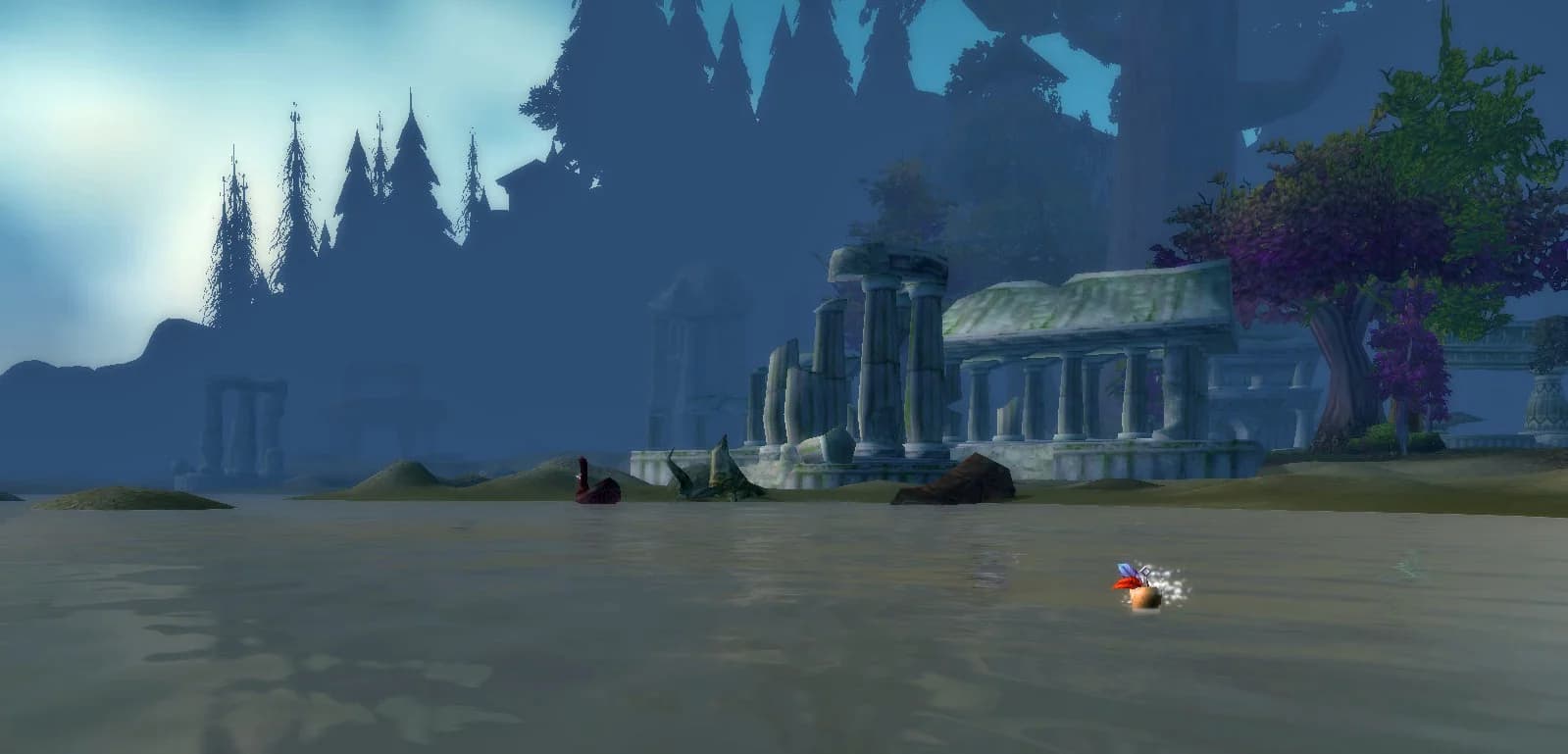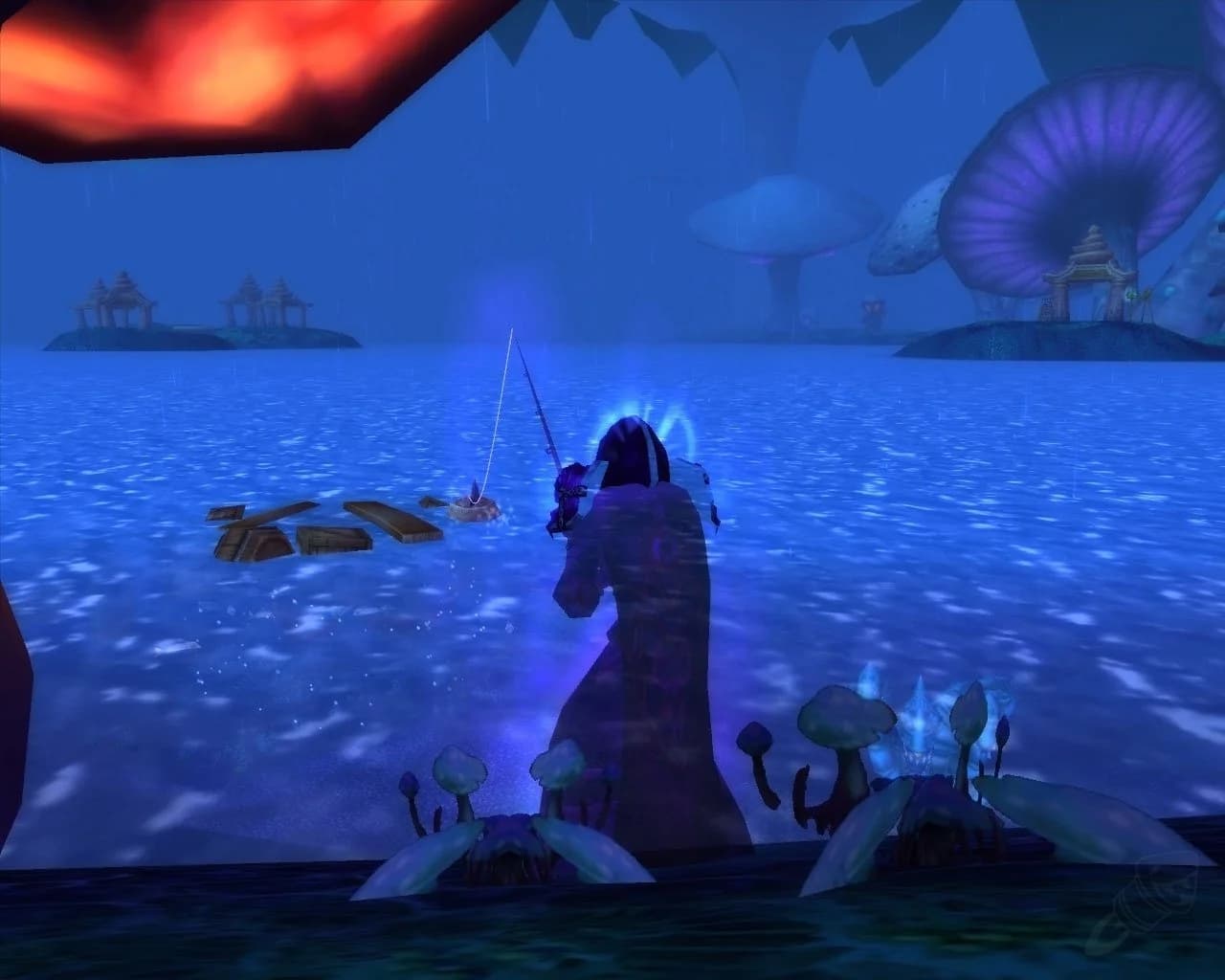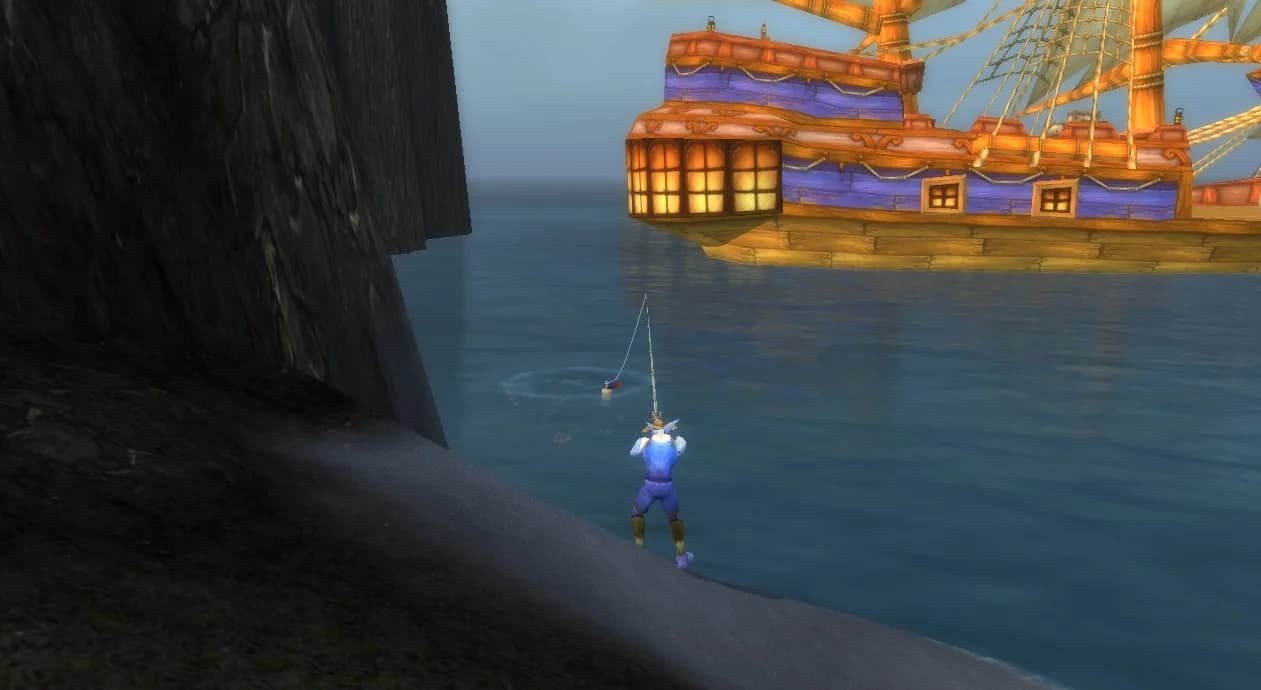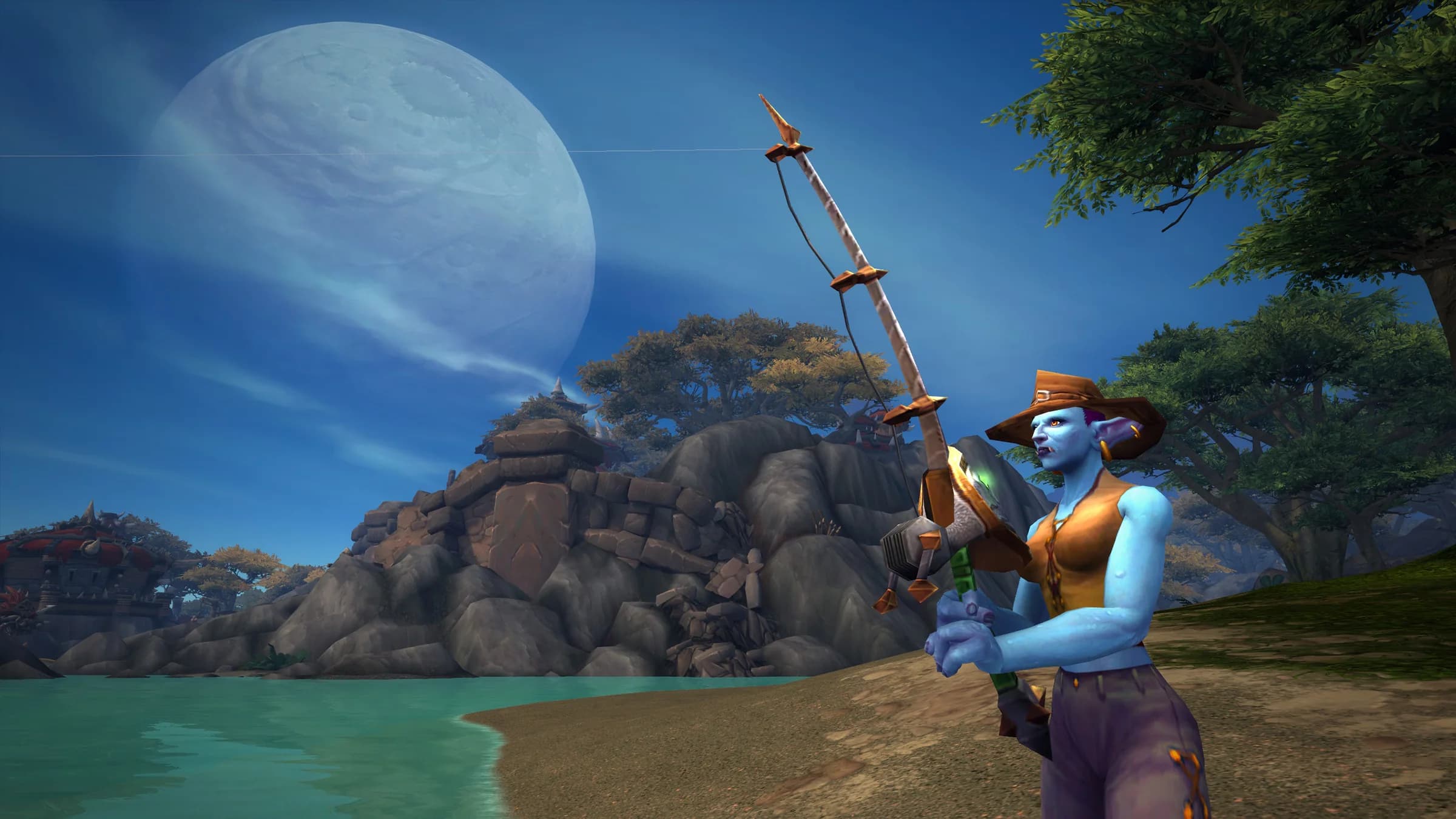
It is the most common question in the WoW automation community: is it safe to use a fishing bot in 2026? The honest answer is that it depends entirely on the type of bot you use, how it interacts with the game, and how you behave while using it. Not all bots are created equal, and understanding the differences can mean the difference between years of safe use and a swift ban.
How Blizzard Detects Bots: Understanding Warden
Blizzard's primary anti-cheat system is called Warden. It has been running in some form since 2005 and has evolved significantly over the years. To understand bot safety, you need to understand what Warden actually does and what it cannot do.
Warden operates in two main ways:
- Memory scanning - Warden periodically scans the WoW process memory looking for known cheat signatures. It checks for injected DLLs, modified game code, and known bot frameworks that attach to the WoW process.
- Behavioral analysis - Blizzard's server-side systems analyze player behavior patterns over time. Perfectly consistent input timing, 24-hour play sessions, and inhuman reaction speeds can trigger flags for review.
What Warden does not do is equally important. Warden does not monitor your entire computer. It does not scan unrelated processes. It does not take screenshots of your desktop. It does not use kernel-level anti-cheat like some competitive shooters. This distinction matters enormously when evaluating bot types.
The Three Types of WoW Bots
Not all automation tools work the same way. The method a bot uses to interact with WoW determines its detection risk. Here is how the three main categories compare.
| Bot Type | How It Works | Detection Risk | Examples |
|---|---|---|---|
| Injection / Memory-Writing | Injects code into the WoW process, reads and writes game memory directly | Very High | Old-school bots like Glider, HonorBuddy |
| Memory-Reading (No Injection) | Reads WoW's memory from an external process but does not inject or modify anything | Moderate | Some rotation bots, some fishing bots |
| External / Pixel-Based | Reads screen pixels and sends input through standard OS-level mouse and keyboard events. Never touches WoW's memory | Very Low | FishBot, AutoHotkey scripts |
Why External Bots Are the Safest
External, pixel-based bots occupy a fundamentally different category from injection bots. Here is why they are so much harder to detect.
- No process attachment - An external bot runs as a completely separate program. It never attaches to, injects into, or modifies the WoW process in any way. Warden's memory scanning simply has nothing to find.
- Standard input methods - External bots send mouse clicks and keyboard presses through the same Windows API calls that your physical mouse and keyboard use. From WoW's perspective, these inputs are indistinguishable from real human input.
- Screen reading only - Instead of reading game memory to find the bobber, pixel-based bots analyze what is displayed on your screen. This is no different from you looking at your monitor, the bot just processes the visual information programmatically.
- No detectable footprint - Because the bot never interacts with the WoW process, there is no signature for Warden to scan for. The bot is essentially invisible to the game client.
This is exactly the approach FishBot takes. It operates entirely externally, reading screen pixels to locate the bobber and sending standard mouse inputs to catch fish. The WoW client has no mechanism to detect that these actions are coming from software rather than a human player.
Behavioral Detection: The Real Risk Factor
While external bots are essentially immune to Warden's technical scans, behavioral detection is a different story. Blizzard's server-side systems can flag accounts based on play patterns, and this applies regardless of the bot type you use.
Behavioral red flags include:
- Inhuman session lengths - Fishing for 16 hours straight without a break is something no real player does. Keep sessions to reasonable lengths, ideally 2-4 hours at a time.
- Perfect timing consistency - If every single cast and catch happens with identical timing down to the millisecond, it looks suspicious. Good bots add random variation to their timing to mimic human behavior.
- No other activity - An account that does nothing but fish 8 hours a day, every day, will eventually draw attention. Mix in normal gameplay between fishing sessions.
- Player reports - Other players can report you for suspected botting. If a GM investigates and whispers you with no response, that is a strong signal. Stay near your computer and respond to whispers.
What Happens If You Get Caught?
Understanding Blizzard's penalty system helps you assess the real risk. Penalties for botting typically follow an escalation path.
| Offense | Typical Penalty | Notes |
|---|---|---|
| First offense | Warning or 7-day suspension | Most common for fishing bot reports |
| Second offense | 30-day suspension | Account flagged for closer monitoring |
| Third offense | Permanent ban | Rare for fishing bots; more common for combat/dungeon bots |
| Injection bot ban wave | Permanent ban (first offense) | Warden detection waves skip the warning stage |
Notice the critical difference in the last row. When Warden technically detects a bot through memory scanning, the penalty is usually an immediate permanent ban with no warning. This is why injection bots are so much riskier, there is no escalation path, just a ban wave that wipes your account.
Behavioral reports, on the other hand, typically start with warnings or short suspensions. This gives you the opportunity to adjust your behavior before facing serious consequences.
Best Practices for Safe Bot Usage in 2026
Based on the current state of Warden and Blizzard's detection methods, here are the practices that minimize your risk.
- Use an external, pixel-based bot only - Never use anything that injects into or reads WoW's memory. This is the single most important safety decision you can make.
- Keep sessions under 4 hours - Take breaks between sessions. Vary your session lengths so they do not form a predictable pattern.
- Stay at your computer - Be present to respond to whispers and GM interactions. You can do other things, but be able to alt-tab back within a minute.
- Vary your fishing locations - Do not fish in the exact same spot every single day. Rotate between 3-4 locations to avoid pattern detection.
- Mix in normal gameplay - Run a dungeon, do some quests, chat in guild. An account that only fishes looks suspicious. An account that fishes as one of many activities looks normal.
- Do not run 24/7 - Even if the bot can run indefinitely, you should not let it. Reasonable play hours (4-8 hours of total daily playtime including non-fishing) look natural.
- Use randomized timing - Good bots add slight random delays to every action. If yours has this option, enable it. If it does not, find a better bot.
The Fishing Bot Advantage
Fishing is arguably the safest activity to automate in WoW. Unlike combat bots or dungeon bots that need to make complex decisions and interact with other players, fishing is a simple, isolated loop: cast, wait, catch, repeat. There are no other players to interact with, no complex navigation to handle, and no combat situations that require human judgment.
This simplicity is exactly why external pixel-based bots work so well for fishing. The task does not require reading game memory or injecting code, it just needs to watch the screen for a bobber splash and click it. The simpler the automation, the safer it is.
"The best bot is the one the game cannot see. If your bot never touches the game's memory, the game's anti-cheat has nothing to detect."
In 2026, with Warden focused primarily on injection-based cheats and combat automation, a well-configured external fishing bot used responsibly remains one of the lowest-risk automation tools available to WoW players.
// TOPICS
// TRY_FISHBOT
Ready to Put This
Into Practice?
Try FishBot free, in unlimited 30 minute sessions. Automate your WoW fishing and start earning gold effortlessly.